Car Seat Safety Tips I Wish I Knew Sooner (From Infant to Convertible)
This post contains affiliate links. This means I may earn a commission—at no extra cost to you—if you click and make a purchase. I only recommend products I truly love and trust.
When I was pregnant, I did a ton of research on car seats. There are so many options on the market that it honestly felt like a full-time job figuring out which one was best. At the time, I was mostly focused on convenience—like choosing a stroller system with an infant seat that could click in and out easily. What I didn’t realize until later is that car seat safety tips matter just as much as the seat itself. From rear-facing limits to harness fit, there are so many details that can make a huge difference in keeping your child safe. Looking back, I wish I had known these safety lessons sooner.
The stroller system with an infant seat really did save me in those early days. Being able to click the car seat into the stroller without waking him up was a lifesaver. Systems like the Doona are super popular for the same reason—you can roll your baby straight from the car to the coffee shop.
The only catch? Babies grow out of them fast. Some outgrow the Doona in just a few months. For us, by eight months my son was already too tall and too heavy for his infant Britax seat. And once we moved him to the Graco Extend2Fit, it was like, oh my gosh, he actually has space now. Looking back, I think we may have kept him in the infant seat a little too long just because it felt “normal.” One of my biggest takeaways from researching car seat safety tips is this: convenience shouldn’t outweigh safety milestones.
We picked the Extend2Fit partly because my son is a big boy and I didn’t want to keep buying new car seats. It fits infants with the insert, but it also lasts into toddlerhood and beyond. So if you want to skip the infant seat entirely, it’s a solid option.
I also looked into swivel seats (because who doesn’t want to avoid twisting their back every single day?), but in the end I decided against it. They’re newer on the market, and while they’re tested, I wasn’t totally confident about their long-term safety data. Call me cautious, but I went with tried-and-true.
Now, here’s the thing: car seat safety can feel overwhelming. And honestly, I see it all the time on Facebook—photos of kids buckled in with loose straps or chest clips down by their belly. It makes me cringe, not because I want to mom-shame anyone, but because there is a correct way to use a car seat, and it’s not up for debate. When it comes to our kids’ safety, the details matter. That’s why I’m sharing the car seat safety tips I wish someone had told me earlier.
Rear-Facing Really Is Best
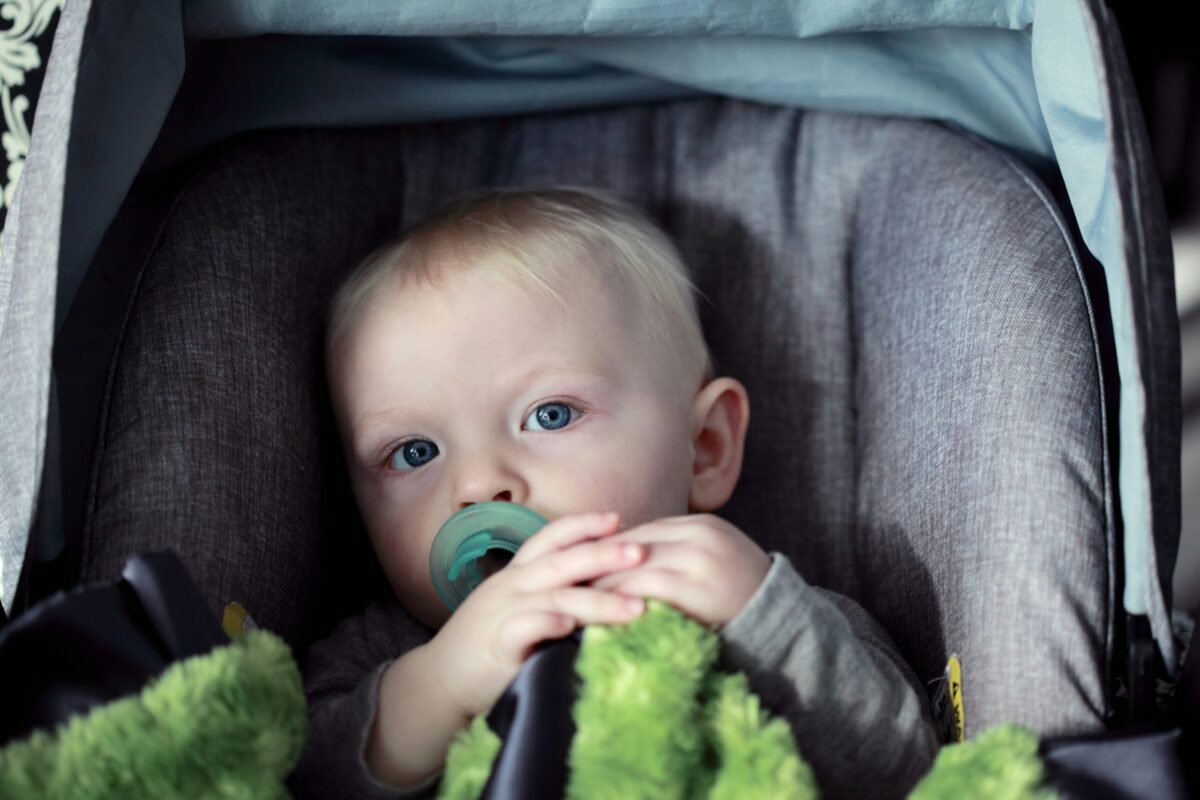
Experts say to keep kids rear-facing as long as possible, and the Extend2Fit makes it doable even for bigger kids (up to 50 lbs). It might look like their legs are cramped, but they’re actually fine. What matters most is that their head, neck, and spine are protected in a crash. This is one of those car seat safety tips that feels uncomfortable at first but is non-negotiable.
Straps Should Pass the Pinch Test
I’ll admit—I used to buckle him in thinking it looked “snug enough.” But the rule is: if you can pinch the strap at the shoulder and grab slack, it’s too loose. The harness should feel like a firm hug, with the chest clip at armpit level. Yes, they’ll wiggle and protest, but safety comes before comfort here. This is probably the most practical car seat safety tip I’ve ever learned.
Installation: Don’t Be Afraid to Wrestle With It
I thought installation would be quick and simple. Spoiler: it wasn’t. Whether you’re using LATCH or a seat belt, the seat shouldn’t move more than an inch side-to-side at the belt path. To get it tight enough, I literally had to climb into the seat and use my body weight to press it down while tightening. If you feel like you’re wrestling it into the car and sweating significantly, you’re probably doing it right. One of the best car seat safety tips I can give you: a snug install matters more than the brand you buy. Watch a YouTube tutorial for good measure.
Professional Help Is a Lifesaver
If installation feels impossible, you’re not alone—it’s tricky for almost everyone. One of the best car seat safety tips is to have a certified tech check your work. Many fire departments, hospitals, and Safe Kids events offer free car seat inspections where a pro can confirm the install and show you adjustments. Even if you feel confident, getting that peace of mind is worth it.nspections.
Avoid Add-Ons
It’s tempting to buy those cute Etsy headrests or strap covers, but if they didn’t come with the seat, they weren’t crash-tested with it. That means they could actually make the seat less safe. Stick with what comes in the box. A simple but important car seat safety tip is to skip the extras.
Final Thoughts
If you’re shopping for your first seat, it really comes down to your lifestyle. A stroller system (or Doona) can be super convenient in the early days, but a convertible like the Graco Extend2Fit can save you money and hassle in the long run—especially for bigger babies.
The most important car seat safety tips are about how you use the seat: keep kids rear-facing as long as possible, make sure the harness passes the pinch test, install it correctly, and get it checked by a pro if you’re unsure. Once you’ve got those details down, you’ll feel so much better knowing your little one is safe back there.
Because at the end of the day, this isn’t about preferences or mom-shaming. It’s about safety. And safety isn’t negotiable.
Quick Car Seat Safety Tips
- Keep kids rear-facing as long as possible (check weight/height limits).
- Do the pinch test: straps should be snug with no slack at the shoulder.
- Chest clip goes at armpit level—not belly or neck.
- Install the seat so it moves less than 1 inch side-to-side at the belt path.
- Skip aftermarket add-ons (headrests, strap covers, etc.).
- When in doubt, get help from a certified car seat safety tech.
Want More Car Seat Safety Tips?
If you’d like expert guidance beyond these parent-tested lessons, check out the NHTSA Car Seat Safety Guide. It covers installation videos, recalls, and official recommendations for every stage—from infant to booster.