
We Accidentally Started Co-Sleeping—Here’s What Happened (and How to Make It Safe)
If you’re a new parent, you’ve probably already discovered that sleep looks a lot different with a baby in the house. You read all the warnings online, you promise yourself you’ll do everything “by the book,” and then—real life happens. That’s exactly how we ended up co-sleeping.
I’ll be honest: we didn’t really set out to bedshare. In fact, for the first five months our son slept swaddled in a bassinet right next to me. He’s a big baby, and by that point he could sit up and roll on his own, so I wasn’t super worried about suffocation—but with all the warnings on the internet, I was constantly second-guessing myself. The thought of anything happening to him terrified me.
What shifted things was the early morning feed. Instead of fully re-swaddling and struggling to get him back into the bassinet, I started keeping him in bed for those last few hours of the night. He fell back asleep faster, and so did I. At first, I told myself it was temporary and that I wasn’t really “asleep asleep.” But little by little, we just did it more and more. And now? He sleeps with us every night.
Why We Co-Sleep (The Positives)
There are definitely reasons it stuck:
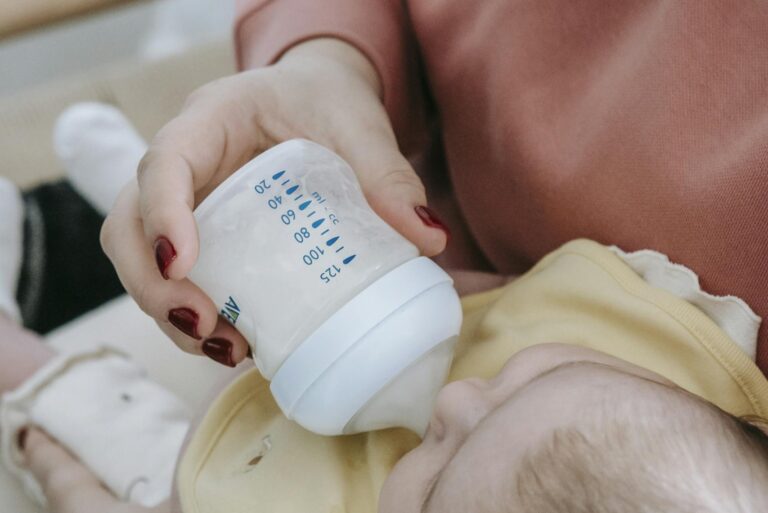
- Easier nighttime feeds: I can roll over and give a bottle without fully waking up.
- Comfort for him (and me): If he stirs, I’m right there. I like the closeness—he won’t be this little forever and I cherish our cuddle time.
- More sleep overall: Honestly, it’s not perfect, but I was getting way less rest before.
The Downsides of Co-Sleeping
It’s not all snuggles and easy feeds:
- Less space in bed: Especially as he grows, our king-size bed feels a little smaller every night.
- No couple time: My husband and I have basically lost the bed to the baby, and it does affect alone time.
- Sleep associations: Now he wakes up often, and I’m realizing those “quick cuddles back to sleep” might be harder habits to break later.
Safe Sleep and the “Safe Sleep 7”
Co-sleeping has been practiced around the world for centuries, but in the U.S. it tends to spark debate. Much of the concern comes from unsafe circumstances—like when parents fall asleep on a couch, use heavy bedding, or bedshare after drinking. That’s why the Safe Sleep 7 exists: it lays out practical guidelines that lower the risks.
Here’s what each one means in practice:
- Non-Smoking Household
Babies exposed to cigarette smoke face a much higher risk of SIDS. Even if smoking doesn’t happen in the bedroom, secondhand smoke still lingers in clothing and hair. If anyone in the home smokes, bedsharing is not considered safe. - Sober & Alert Parents
Alcohol, recreational drugs, or even strong prescription meds can make you less responsive to your baby. If you’re even slightly impaired, co-sleeping isn’t safe. - Breastfeeding is Protective (But Not Required)
Studies show breastfeeding parents naturally position themselves in safer ways, making co-sleeping lower risk. If you’re formula feeding, that’s okay—you just need to be extra careful about the other safety points. - Healthy, Full-Term Baby
Bedsharing is considered safest for babies born at term with no underlying breathing or neurological issues. Premature babies or babies with medical conditions are more vulnerable in a shared sleep space. - Baby Always on Their Back
Whether in a crib or your bed, the safest position is always on the back. Side or stomach sleeping increases suffocation risk, even if you’re nearby. - Safe Bedding & Clothing
Keep the sleep surface firm and uncluttered—no pillows, comforters, stuffed animals, or loose blankets around baby. Dress them in a sleep sack or light layers. If you use a blanket, keep it secured around your waist and below baby’s armpits. - Safe Sleep Surface
Only co-sleep on a firm, flat mattress. Never on couches, recliners, or armchairs—those are the most dangerous places. Check that there are no gaps where baby could slip or get trapped.
When these seven boxes are checked, co-sleeping is considered significantly safer.

Where We’re At Now
We’re reaching the point where we want him in his own bed. He wakes up a lot, and I know some of that is because of the sleep associations we’ve created. Transitioning won’t be easy, but I keep reminding myself that every stage with a baby is temporary.
For now, I don’t regret the path we took. It gave us rest when we desperately needed it, and I’ve loved the cuddles. But I’m also ready for a new season where everyone gets a little more space and (hopefully) a lot more sleep.
FAQ: Co-Sleeping Basics
Is co-sleeping ever completely safe?
Nothing in parenting is ever zero risk—but following the Safe Sleep 7 can help minimize risks. Many experts also emphasize the difference between dangerous situations (like couch sleeping) versus a prepared bed.
What’s the difference between co-sleeping and bedsharing?
“Co-sleeping” is often used as a blanket term, but technically:
- Co-sleeping = Baby sleeps in the same room as you (crib or bassinet nearby).
- Bedsharing = Baby sleeps in the same bed with you.
We’re talking about bedsharing here, since that’s where most safety questions come in.
Why do parents end up co-sleeping, even if they didn’t plan to?
Because real life with a newborn is exhausting. Many parents bring baby into bed in the early morning or after multiple night wakings—it often starts “just for a little while” and becomes routine. That’s exactly what happened with us.
What are the biggest risks?
The highest risks come from: smoking, drinking, drugs/medications that cause drowsiness, soft sleep surfaces, loose bedding, or falling asleep with baby on a couch or chair. Remove those, and risk drops significantly.
When should you stop co-sleeping?
This varies for every family. Some transition once baby becomes more mobile, others co-sleep into toddlerhood. It depends on your comfort level, baby’s sleep habits, and family dynamics. (I’ll be writing a full post soon on transitioning baby to their own bed!)
Final Thoughts
I’m not a doctor, and I’d never tell anyone what they “should” do with their baby. Every family, every baby, and every situation is different. For us, co-sleeping started accidentally and stuck around because it worked. We know our baby, we keep safety in mind, and we adjust as we go.
If you’re considering co-sleeping, do your research, be honest about your lifestyle, and make sure you’re following the Safe Sleep 7. And most importantly—trust yourself. No one cares more about your baby’s safety and comfort than you do.