The Truth About The Breathable Crib Mattress: Do You Really Need One?
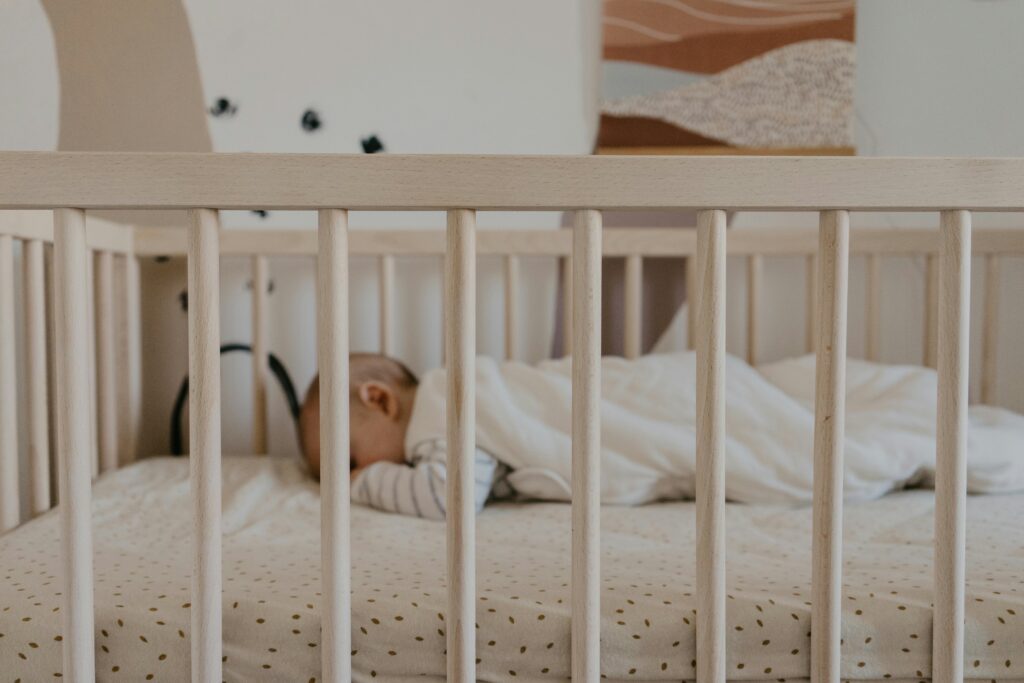
If you’ve been down the rabbit hole of baby gear research, you’ve probably stumbled on the buzzword “breathable.” It’s splashed all over certain crib mattress ads (hi, Newton) with beautiful marketing photos of smiling babies sleeping on airy, woven cores. The idea is simple: if your baby somehow rolls face-down, the breathable crib mattress is designed so they can breathe right through it. Sounds like a no-brainer, right?
But here’s the thing: that “breathable” label is more marketing than magic — and it’s not a requirement for safe sleep.
What Safety Experts Actually Recommend for Safe Sleep
The actual safest sleep environment for babies — according to the American Academy of Pediatrics (AAP) — has nothing to do with buying a certain “breathable” brand. Safe sleep is about:
- A firm, flat mattress
- A snug-fitting fitted sheet
- No pillows, blankets, bumpers, or toys in the crib
- Placing baby on their back for every sleep
That’s it.
Notice how “breathable core” didn’t make the list? That’s because there’s no official safety standard that requires a mattress to be labeled as breathable. And there’s no solid evidence showing these mattresses prevent SIDS or make sleep safer when other safe sleep guidelines are already followed.
Other “Breathable” Mattresses Exist
Newton just happens to be the best-known because of their marketing budget, but they’re not alone. There are plenty of other crib mattresses that make similar claims:
- Moonlight Slumber Little Dreamer
- Naturepedic Organic Breathable
- Colgate Eco Classica III
- Lullaby Earth Breeze
They achieve this “breathable” status by using an open-weave cover or airy core material — but here’s the kicker…
The Fitted Sheet Factor
Any time you put a fitted sheet on the mattress (which you should, for hygiene and safe sleep), you’re creating a layer between your baby and that fancy breathable core.
- Yes, thin cotton sheets allow some airflow, but not in the dramatic, face-pressed-directly-into-the-core way those marketing photos show.
- In real life, your baby’s face will be against the sheet — not the bare mattress core.
So while breathable materials may still pass some air, the benefit is far less than what the ads imply — and they don’t replace following all other safe sleep practices.
A Note from a Mom with Postpartum Anxiety
As someone who’s been in the thick of postpartum anxiety, I get the urge to do absolutely everything in your power to keep your baby safe. If a breathable mattress gives you peace of mind, buy it — seriously, do your thing.
What I don’t love is how marketing often preys on that deep, protective instinct we have as mothers. It can make us feel like we have to buy certain products to be “good” or “safe” moms — and that’s simply not true. You can be a great, safe, and loving mom while practicing safe sleep without spending $300+ on a crib mattress.
This post contains affiliate links. This means I may earn a commission—at no extra cost to you—if you click and make a purchase. I only recommend products I truly love and trust.
The Price Gap
- Newton Original: Around $300–$350
- Standard Safety-Certified Crib Mattress: $50–$120
That’s a big difference for something that, functionally, isn’t proven to make your baby safer when you’re already following safe sleep guidelines.
This Graco Premium Crib & Toddler Mattress is GREENGUARD Gold Certified, CertiPUR-US Certified Foam, and has a 100% Waterproof Surface. It also has over 50,000 five star reviews and cost less than $100.
Where to Spend Instead
If you want to invest in something that truly impacts safety or quality of life, consider:
- A reliable baby monitor with clear night vision
- Blackout curtains for better naps
- A comfortable chair for nighttime feeds (trust me, you’ll live in it)
Bottom line: You don’t need a breathable crib mattress to practice safe sleep or be a good mom. Safe sleep is about how your baby sleeps — not whether the mattress core passes an air test.