Surviving Teething: Tips From a Sleep-Deprived Mom
This post contains affiliate links. This means I may earn a commission—at no extra cost to you—if you click and make a purchase. I only recommend products I truly love and trust.
A couple of weeks ago, my son had his very first ear infection—and honestly, it traumatized me. He was miserable, uncomfortable, and not sleeping well. We ended up on amoxicillin for 10 whole days, and just when we thought things were getting better, he broke out in a mysterious rash. All I wanted was for him to feel like his happy, healthy little bub again.
So when he started tugging at his ears again last week, my stomach sank. Please not another ear infection. But this time it wasn’t sickness—it was teething. And if you’ve been through it, you know the symptoms look almost identical: pulling ears, cranky, not himself, definitely not sleeping, and the kicker… the excessive drooooool.
He already has two tiny bottom teeth, so I remember this routine from a few months ago. And now it looks like a big top tooth is about to pop through. Which explains why we were up for three hours straight last night with a miserable baby who wanted nothing to do with sleep.
We finally gave him Tylenol and some teething gel, and he passed out for six glorious hours. But it got me thinking—besides medicine, what actually helps during teething? Here are the real-life teething survival tips that have made the biggest difference for us:
1. Cold Relief Works Wonders
Sometimes the simplest tricks are the best. A cold washcloth straight from the fridge is my number one teething hack. I wet a clean one, twist it up, and let my son chew away. It’s soothing, safe, and easy.
You can also pop teethers in the fridge (not the freezer—they get too hard). The cooling sensation helps numb sore gums and takes the edge off.
2. Frozen Fruit Feeders
One of my favorite mom hacks: those little silicone fruit feeders. I’ll stuff them with frozen blueberries, mango chunks, purees, or even breastmilk ice cubes. It gives him something safe to gnaw on while keeping him distracted—and it actually works.
3. Baby Popsicles
If your baby is already on solids, baby-sized popsicles are a lifesaver. You can make them out of purées, yogurt, or formula/breastmilk. I keep silicone molds in the freezer so we always have one ready. Warning: they melt fast and it gets messy, but sometimes the mess is worth the peace.
4. Teething Toys (Variety Is Key)
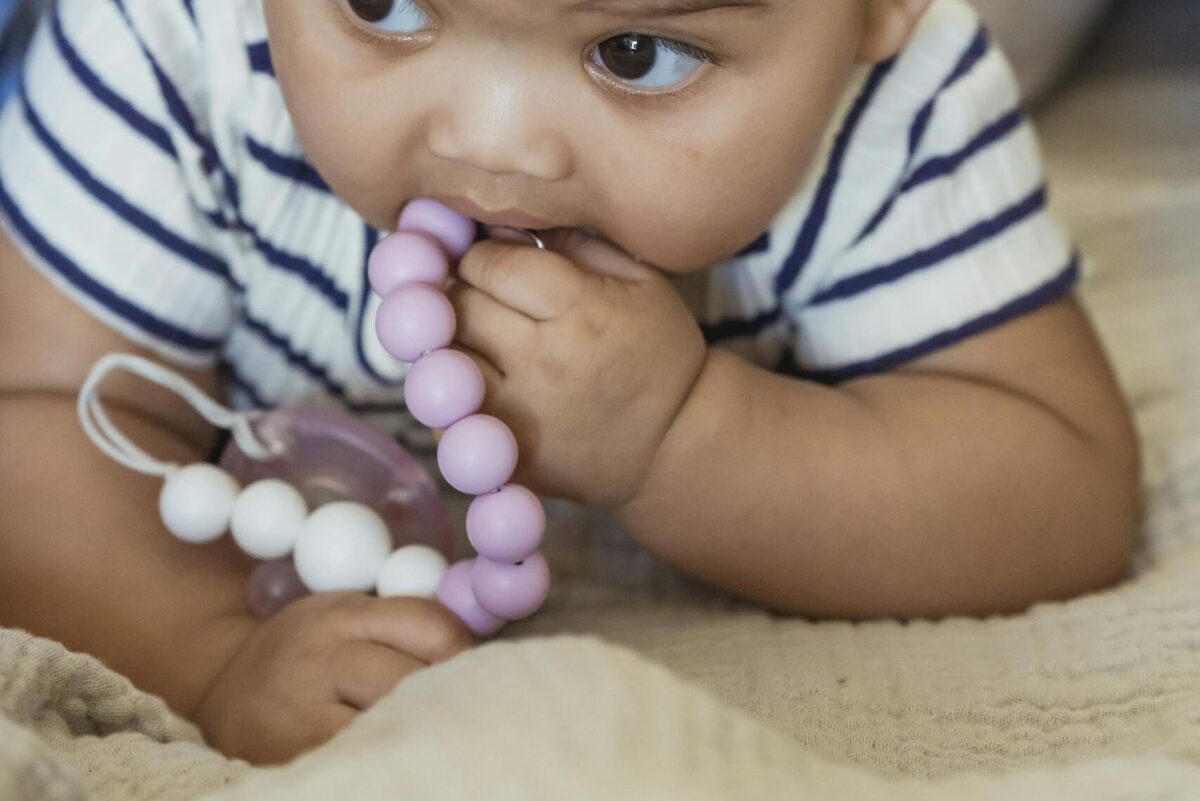
Every baby has a favorite, so I keep a stash of different textures—silicone rings, wooden teethers, and even a teething mitt for when he can’t stop chewing on his hands. Our go-to right now is a fruit-shaped silicone teether that never fails us.
5. Extra Comfort (Even When You’re Exhausted)
Some nights, nothing works. That’s when I remind myself that sometimes my baby just needs me. Extra snuggles, rocking, nursing, or giving him a little more bottle than usual all help. I’ve also learned that a dark room with white noise makes a huge difference when he’s overtired and overstimulated.
6. Gum Massage
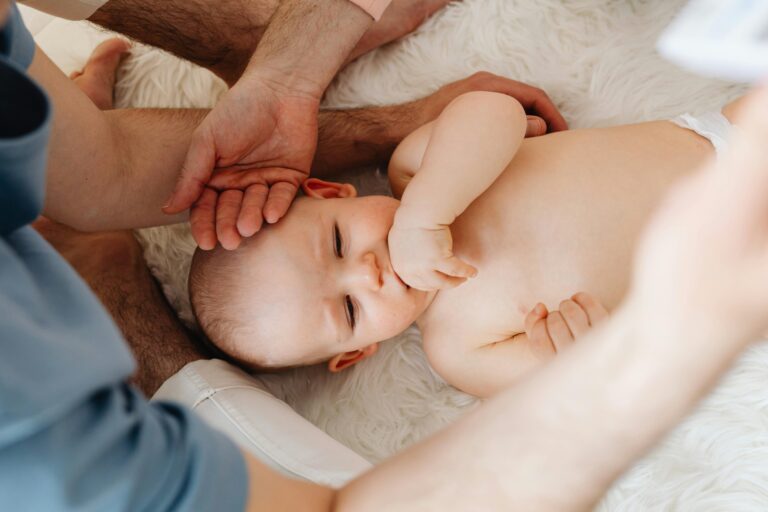
If your baby will tolerate it, gently rub their gums with a clean finger. The counter-pressure can give surprising relief, especially right before a tooth breaks through. My son usually pushes me away after a minute, but hey—I’ll take the minute.
7. Distraction Is Underrated
When the fussing feels endless, sometimes the best thing to do is change the scene. A stroller walk, a car ride, or even just switching to a new toy can help them reset. It doesn’t take the pain away, but it helps break the cycle.
8. Medicine (And How to Rotate It)
When nothing else works, medicine is there for a reason. Infant Tylenol and Infant Motrin (ibuprofen, if your baby is over 6 months) can both help with teething pain and inflammation. We’ve had success alternating them on tough nights so we don’t max out the dosing too quickly. Always check with your pediatrician for exact timing and amounts, but knowing this option is on the table has saved our sanity more than once.
I used to be really against giving my baby medicine unless it was absolutely necessary. But then someone explained it in a way that completely changed how I think about it. Imagine you have a splitting headache. Your partner keeps suggesting coffee, a head rub, meditation—when deep down you know Tylenol would make you feel better. At some point, you’d just be like, “Give me the damn Tylenol.”
That’s how I started looking at it for my baby. Yes, comfort measures like cuddles, teethers, or cool washcloths help, but sometimes the real relief comes from alternating Tylenol and Motrin when they’re truly uncomfortable. It’s not about medicating for every little fuss—it’s about giving them the same mercy you’d want if you were in pain.
You can dowload this reliable dosing chart here: American Academy of Pediatrics Medication Dosing Chart.
9. Teething Gel
Another option I’ve used is teething gel without benzocaine. Mommy’s Bliss Organic Little Gums Soothing Massage Gel uses natural organic ingredients to relieve tender gums. It doesn’t make the pain completely disappear, it can take the edge off just enough to calm my baby down. I like it as a middle-ground option—something to try before reaching for medicine—especially on days when he’s extra fussy but not quite to the point where I feel like he needs Tylenol or Motrin.
9. When It Might Be More Than Teething
Teething can cause crankiness, drool, ear tugging, and sleep struggles. But if your baby has a fever, rash, or lingering ear pain, it could be something else—like another ear infection. Don’t be afraid to call your pediatrician. I almost dismissed my son’s first ear infection as “just teething,” and I’m glad I didn’t.
Our Must-Have Teething Survival Kit
Here’s what we keep in rotation at home:
- Silicone fruit feeder (my top pick—total game changer)
- Cold teethers with different textures
- Teething mitt for on-the-go chewing
- Baby popsicle molds for frozen purées or milk
- White noise machine to help with disrupted sleep
Final Thoughts
Teething is rough—for babies and for moms. It’s exhausting, messy, and sometimes heartbreaking to watch your little one in so much discomfort. But it does end. And until it does, stock your freezer with washcloths, rotate Tylenol and Motrin when needed, and remember—you’re not alone in the 3 a.m. teething club.