From Milk Machine to Mom Again: Why Quitting Pumping Was the Best Thing I Did for Me and My Baby
If you’re Googling “quitting pumping,” chances are you’re exhausted, conflicted, or wondering if it’s finally okay to stop. I’ve been there. I never set out to be an exclusive pumper, but somehow, that’s where I ended up. I started out breastfeeding and pumping, but before long, pumping was all I did — and it nearly broke me.
When Pumping Took Over My Life
The logistics were relentless. I had to wake up in the middle of the night just to pump. I planned every outing around my pump schedule. I lived with a constant pit in my stomach about losing supply. And I washed pump parts like it was my second job — because, honestly, it was.
The physical toll showed up fast. The metabolic demand of making milk left me depleted. My hair was falling out. My skin looked gray and dull. I was crying constantly. I didn’t feel like “me” anymore — I felt like a machine.
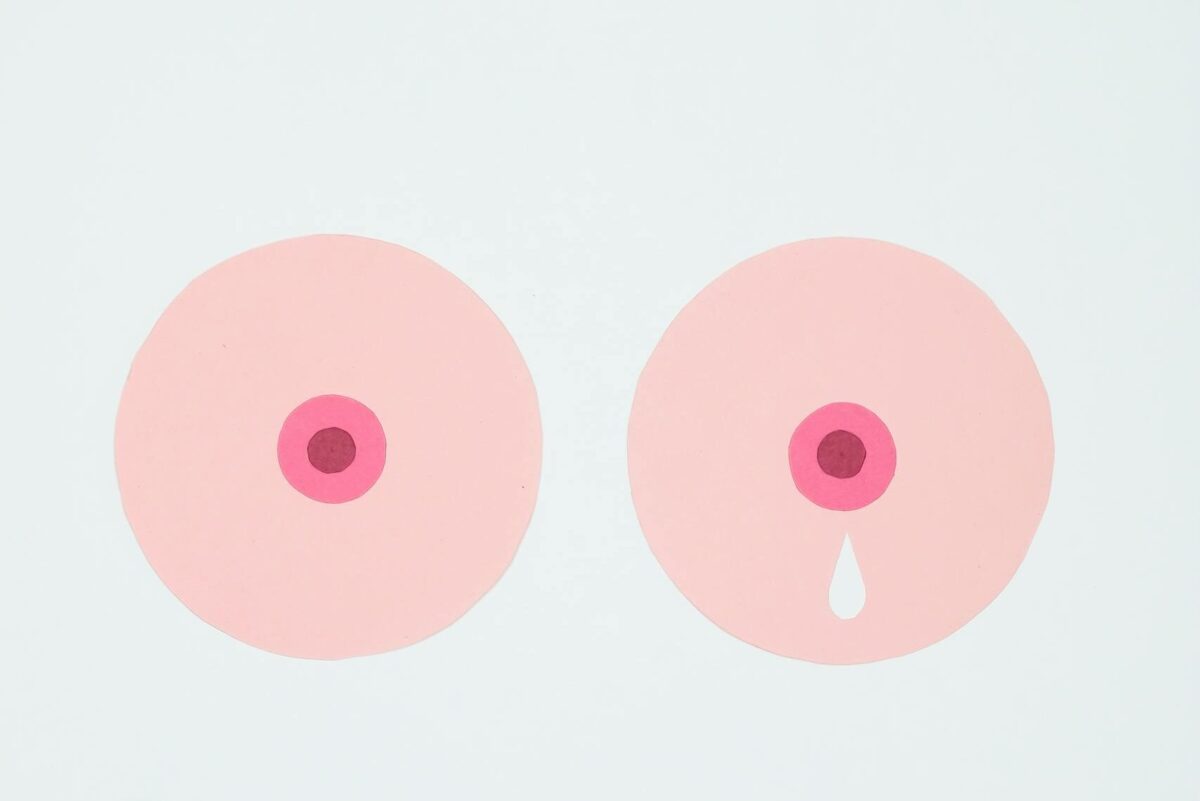
Emotionally, I also experienced something I later learned has a name: Dysphoric Milk Ejection Reflex (D‑MER). This is a brief wave of sadness, anxiety, or even depression that some moms feel right before or during letdown. For me, it intensified the guilt and frustration I already felt about pumping.
And still, I pushed on, convinced breastmilk was the only right option.
The Breaking Point at Six Months
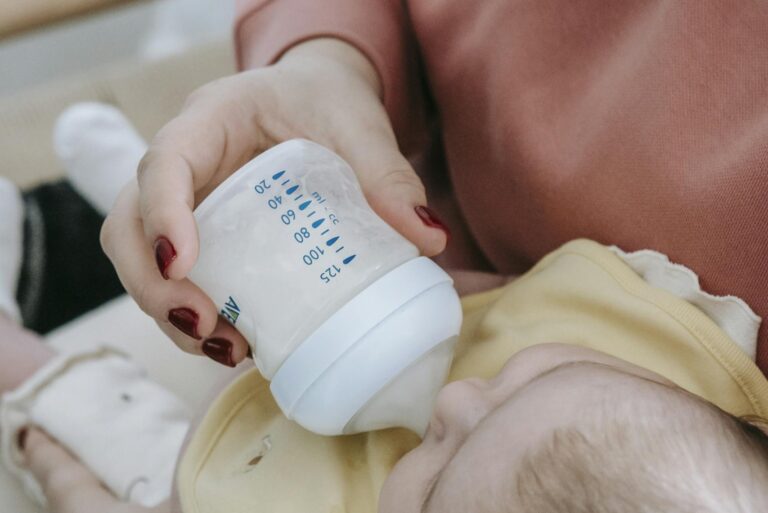
A few times, when my supply dipped, I found myself crying over bottles of milk. That was my wake-up call.
At six months, I finally quit pumping. A wave of guilt hit me instantly — but then, something else arrived too: relief. I could finally breathe.
For the first time in half a year, I had energy to move my body again. I could eat and drink without obsessively Googling “is this safe while breastfeeding?” I could go to bed without setting a 2 a.m. alarm. And my baby? He was just fine. He adjusted to formula and then to purees and table foods without missing a beat.
How to Know It Might Be Time to Quit Pumping
If you’re not sure whether to keep going, here are some red flags I ignored for too long:
- Dreading every pump session.
- Feeling resentment or sadness when you think about feeding.
- Crying when supply dips.
- Feeling physically drained, with ongoing pain or health issues.
- Having no energy left for your baby, your partner, or yourself.
If this is you, it may be time to step back.
Supplementing Without Shame
Before I quit completely, I started to supplement with formula — and it was the best bridge I could have asked for.
Here’s what helped ease the guilt:
- Adding just one bottle of formula a day at first.
- Choosing a formula I felt good about after researching.
- Reminding myself that formula is safe, regulated, and nourishing.
Once I saw my baby thriving on a mix of breastmilk and formula, I felt lighter.
How to Quit Pumping Safely
If you’re ready to stop, here’s how to do it without pain or clogged ducts:
- Drop one session every 3–5 days.
- Pump for shorter periods of time instead of stopping cold turkey.
- Hand express only enough to relieve pressure.
- Use cold compresses or cabbage leaves for comfort.
- Wear a supportive bra (but not too tight).
This gradual approach worked for me and made the transition smooth.
Life After the Pump
Quitting didn’t just give me my body back — it gave me life back.
- I had more energy and color in my cheeks again.
- I could say yes to last-minute walks with friends.
- I could go places without lugging my pump bag.
- I could finally be present with my baby instead of calculating ounces.
That’s when I realized: I had been surviving instead of living. Once the constant drain was gone, I could focus on being present with my baby instead of just producing for him. If you’re ready to focus on you again, check out my tips here for simple ways to boost your energy, nourish your body, and feel like yourself again.
The Bottom Line on Quitting Pumping
Every mom’s story is different. Some pump for a year, some supplement from day one, and some quit early. None of these choices make you less of a mom.
If pumping is draining you, it’s okay to stop. Quitting pumping doesn’t mean failure — it means you’re choosing what’s best for your mental health, your body, and your family.
Every mom’s journey is different, and your feeding story doesn’t have to look like mine to be valid. Whether you pump for a year, supplement from day one, or quit altogether, your love and care are what matter most.