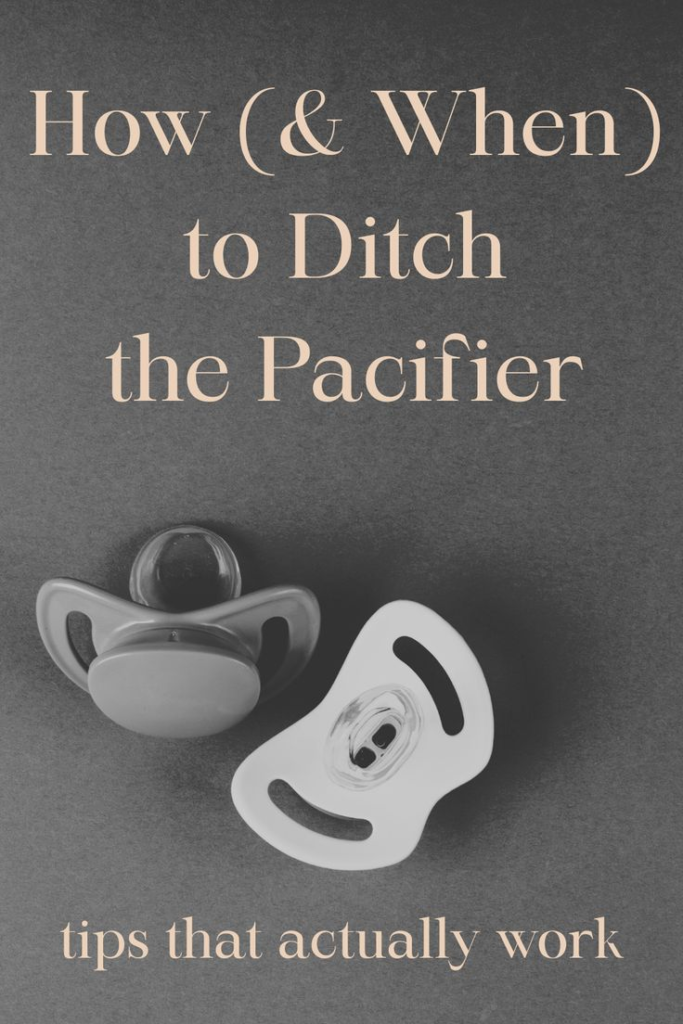
When (and How) to Ditch the Pacifier Without Losing Your Mind
If you’re reading this, chances are your baby’s pacifier has gone from “lifesaver” to “oh no, I created a little paci addict.” Same here. I swore I’d never let my kid get too attached… and then life happened. The paci got us through colic, car rides, teething, and countless middle-of-the-night wake-ups. But now, the thought of taking it away feels like I’m about to break my child’s tiny heart.
So when is the right time to ditch the pacifier — and how do you actually do it without everyone in the house melting down?
Why Toddlers Get Attached
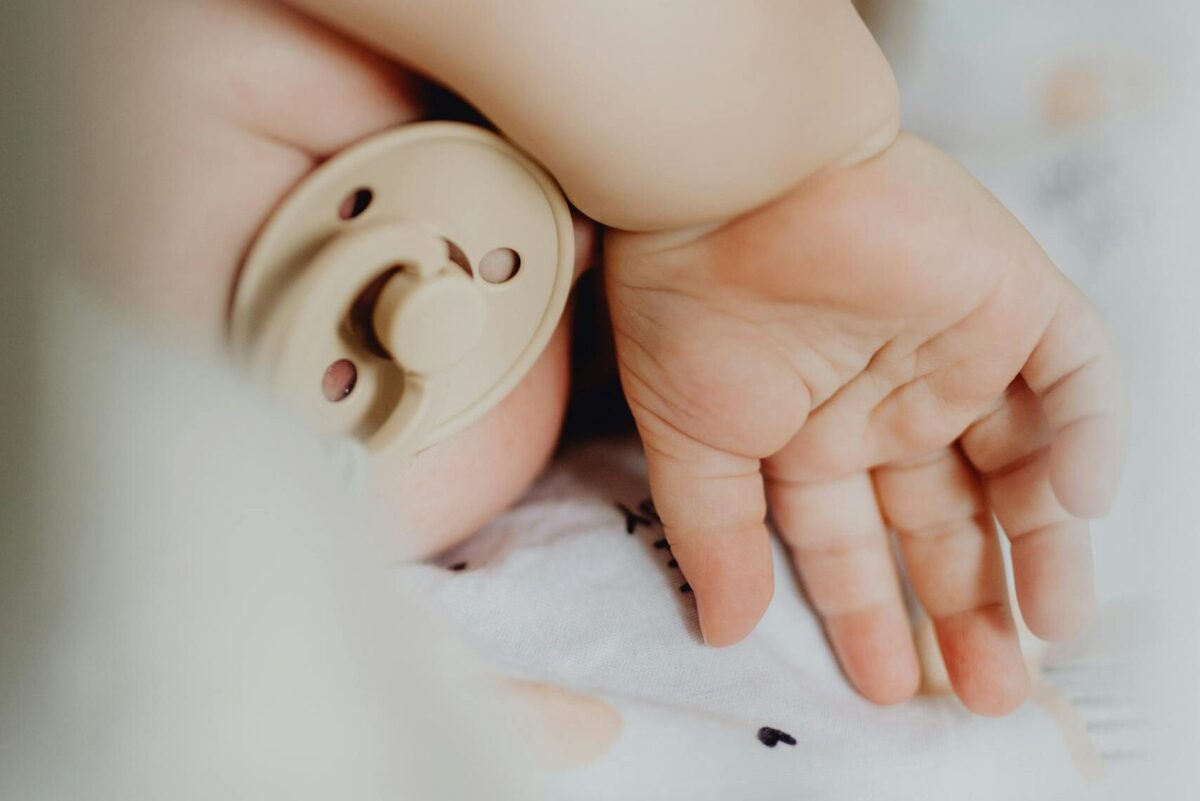
Pacifiers do more than soothe — they help babies self-regulate, cope with stress, and feel secure. They’re a small comfort during big feelings, and it’s totally normal for toddlers to cling to something that gives them that sense of control. Understanding this attachment makes it easier to plan a patient and effective weaning strategy.
When Should Kids Be Done With the Pacifier?
- Most experts say by age 2–3.
- The American Academy of Pediatrics recommends weaning around the toddler years to avoid dental issues and speech delays. You can start limiting use by 18 months, with the goal of being paci-free by 3.
- Earlier can be easier.
- The younger they are, the less attached they’ll be. Once toddlers realize the pacifier is their prized possession, battles can get dramatic.
- Don’t panic if they’re still attached.
- Some kids drop it on their own — it just “clicks” one day. Others need gentle guidance. Every child is different, so flexibility is key.
Tips for Ditching the Pacifier
Start With Boundaries
If your little one is attached 24/7, begin by limiting the paci to “sleep only” or “car only.” Gradually cutting down is usually easier than going cold turkey.
Pick the Right Moment
Avoid big life changes — like moving, starting daycare, or welcoming a new sibling — when planning the transition. Toddlers can sense stress, and timing makes a difference.
The Paci Fairy Trick
Your child “gives” the pacifier to a Paci Fairy (or Santa, or Easter Bunny) in exchange for a small gift. It’s a gentle way to frame the change as exciting rather than a loss.
The Gradual Snip
Some parents carefully cut a tiny hole in the tip of the pacifier and gradually increase it over a few days. It eventually loses suction, and kids decide it’s not worth the effort.
Go Cold Turkey
Not for the faint of heart, but sometimes the fastest path is to remove the pacifier completely. The first couple of nights may be rough, but consistency usually pays off quickly.
Offer a Replacement Comfort
Introduce a special stuffed animal, blanket, or new bedtime routine. This helps your toddler feel secure and provides a positive replacement for the paci.
Celebrate the Milestone
Frame it as a “big kid” achievement. Some families even make a small ceremony — it helps kids feel proud and excited about this new step.
Common Challenges & How to Handle Them
- Nighttime struggles: Bedtime and nap transitions may take a few nights longer. Keep routines consistent and offer extra comfort.
- Public meltdowns: If your toddler protests outside the house, stay calm and reassure them gently — avoiding giving in reinforces the change.
- Regression: Some toddlers ask for the paci again after giving it up. Stick to your plan, and offer comfort through other means like cuddles or bedtime stories.
Expert Advice
According to the American Academy of Pediatrics, prolonged pacifier use beyond age 2–3 can increase the risk of dental misalignment and may contribute to speech delays. Limiting use early can prevent these issues. Pacifiers are wonderful for soothing, but moderation and timing are key.
FAQ: Pacifier Weaning
Q: Can my toddler still use a pacifier for naps only?
A: Yes! Gradually limiting use to specific times like naps or car rides is often the first step toward complete weaning.
Q: What if my child cries nonstop?
A: Crying is normal. Stay consistent, offer comfort in other ways, and remind yourself that it’s temporary.
Q: Is it okay to offer a replacement comfort item?
A: Absolutely! A special stuffed animal, blanket, or bedtime routine can make the transition much smoother.
The Bottom Line
Ditching the pacifier can feel like a mountain to climb, but it’s a milestone that both you and your child will get through together. With clear boundaries, gentle encouragement, and some creative tricks, your toddler can give up the paci with minimal stress — and you’ll all feel a little braver for it.